Skip to content

Clearing offers from 48 UCAS tariff points. Subject-specific requirements still apply. See the entry requirements section for details.

Understand the chemistry of life, and prepare for careers in health, biotechnology, research, and drug development.

Biochemistry sits at the intersection of biology and chemistry. It explores how cells work, how diseases develop, and how medicines are designed. You will cover a wide range of topics on this course, including DNA manipulation, the structure and properties of proteins, molecular modelling, investigating cancer, genetics, infection, and the molecular basis of disease and implications on human health.

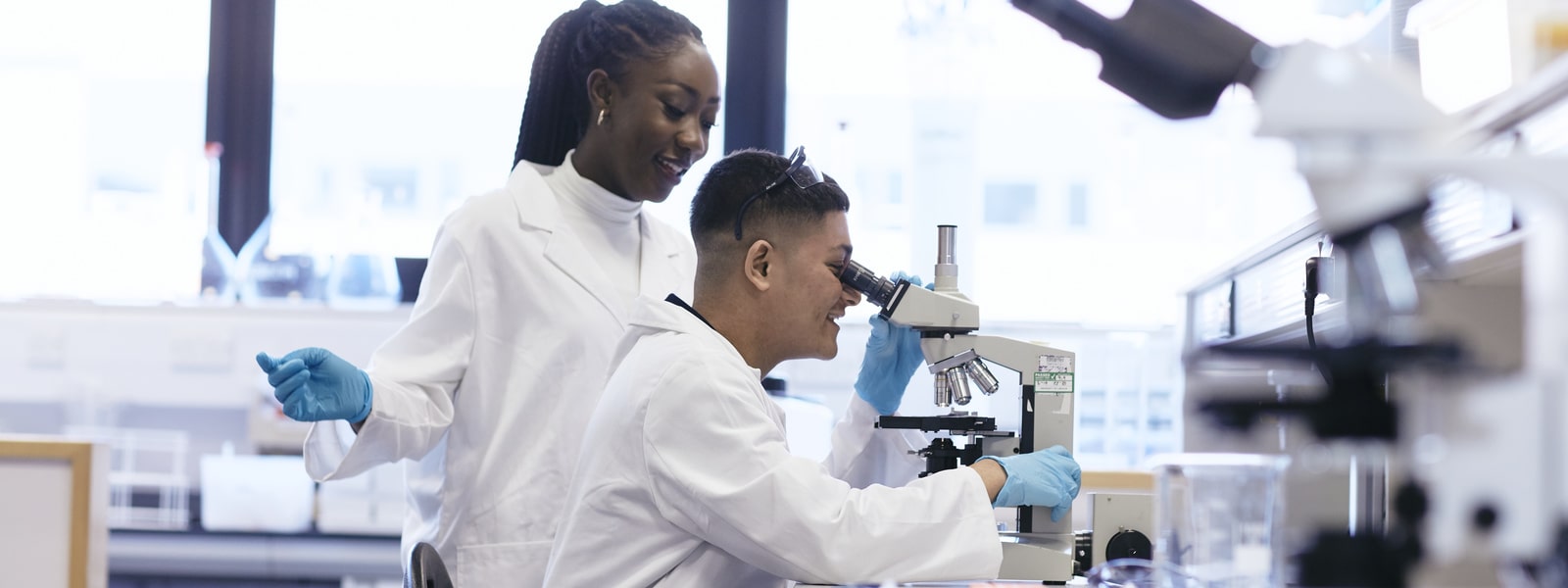
This course combines hands-on laboratory experience, training in state-of-the-art software with research-led teaching to help you build practical scientific skills alongside strong career foundations.

Whether you already know you want a career in science, or you're still exploring your options, this course is designed to give you flexibility, transferable skills, and multiple progression routes after graduation.

Biochemistry sits at the intersection of biology and chemistry. It explores how cells work, how diseases develop, and how medicines are designed. You will cover a wide range of topics on this course, including DNA manipulation, the structure and properties of proteins, molecular modelling, investigating cancer, genetics, infection, and the molecular basis of disease and implications on human health.

This course combines hands-on laboratory experience, training in state-of-the-art software with research-led teaching to help you build practical scientific skills alongside strong career foundations.

Whether you already know you want a career in science, or you're still exploring your options, this course is designed to give you flexibility, transferable skills, and multiple progression routes after graduation.

Why study Biochemistry at Lincoln?

A course built around real scientific application Develop practical laboratory, analytical, and data interpretation skills used across healthcare, biotechnology, pharmaceutical, and research industries.

Research-informed teaching from active scientists Our course is shaped by expertise across biochemistry, pharmacology, biomedical science, biotechnology, and molecular biology.

Develop skills employers actively look for Learn important, subject-specific skills like experimental design, data analysis, scientific writing, and problem-solving.

Learn in a supportive environment Lincoln prioritises practical experience, small group teaching, and close working with academics to help students build confidence.

Flexibility for your future A biochemistry degree can lead into multiple directions after graduation, including further study at postgraduate level, postgraduate research, careers in big pharma, industrial research alongside opportunities in patent law and teaching.

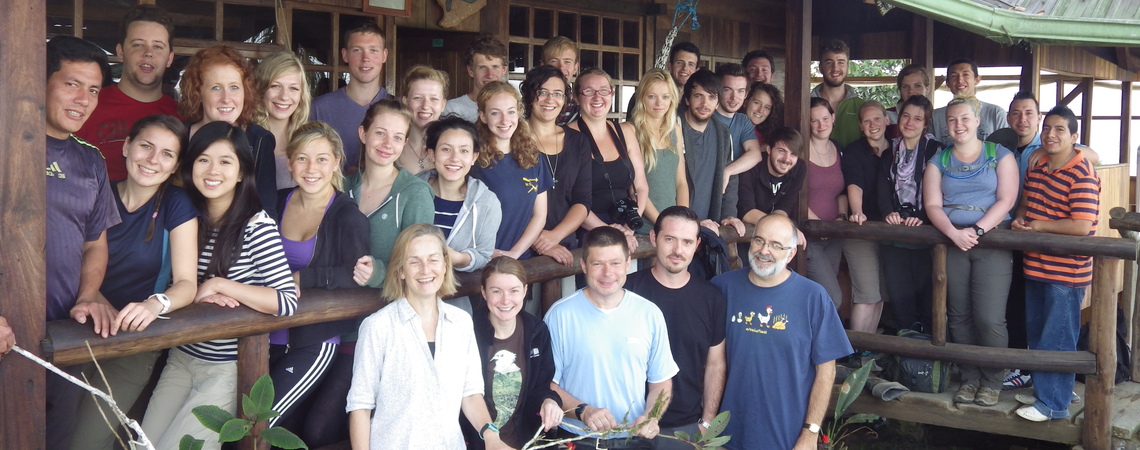
Study beyond the classroom Students may have opportunities to take part in optional overseas field courses and study abroad experiences, helping you broaden your scientific understanding while developing independence and global experience.

What you'll learn

This course explores the processes behind living systems and how molecular science helps us understand health and disease.

Year One: Build strong scientific foundations

You’ll develop core knowledge in:

  • Microbial and Medical Biochemistry
  • Cell biology
  • Genetics
  • Physiology
  • Molecular science

You’ll also begin developing practical laboratory and scientific communication skills.

Year Two: Gain fundamental understanding of molecular structures and explore disease, molecular biology, and pharmacology

As your understanding grows, you’ll examine areas such as:

  • Human disease processes
  • Immunology
  • Biomolecules
  • Biocatalysis
  • Molecular biology
  • Clinical and applied biochemistry
  • Data Skills

You’ll gain deeper insight into how biochemical science supports healthcare and medical innovation.

Final Year: Apply your knowledge through research

In your final year, you’ll complete an independent research project, giving you the opportunity to investigate a specialist topic alongside academic research, either in a research laboratory or working with in silico and computer-led research.

You may also study topics linked to:

  • Protein structure and function
  • Cutting-edge computational biochemistry
  • Clinical biochemistry
  • Advanced molecular science

These will help prepare you for graduate employment or postgraduate study.

Modules

Module Overview

This module aims to provide students with the necessary basic theoretical and conceptual principles necessary in analytical chemistry. It offers a platform upon which students will build as they develop their analytical skills and understanding in the later stages of their programme. Furthermore, students are encouraged to develop the practical skills necessary for all future analytical practical applications.

Module Overview

This module provides an overview of the anatomical structure and physiology of key systems of the human body. The students will learn about the levels of organization of the human body, and they will study the anatomy, physiology and regulation of the major organ systems, including the integumentary system, the nervous and endocrine systems, the skeletal and muscular systems, as well as the digestive, cardiovascular, respiratory, lymphatic, immune and reproductive systems.

Module Overview

Introduction to the Life Sciences is designed to provide a foundation for students to develop their knowledge and understanding of fundamental cell biology, biochemistry and genetics in the context of life sciences.

Module Overview

Medical Biochemistry is designed to provide students with an overview of biochemistry at the cellular level. Cellular and molecular systems that have evolved to sustain cellular functions in the context of a multicellular organism will be highlighted through example diseases as well as delivering an understanding of how key biochemical pathways can be targeted for therapeutic purposes.

Module Overview

This module will introduce students to fundamental aspects of molecular biochemistry and microbiology through the study of antimicrobials. The module will introduce key concepts including Koch’s postulates, Ehrlich’s magic bullet and the 20th century era of antibiotic discovery from Fleming onwards. Students will understand the fundamental differences between both Gram-negative, Gram-positive bacteria and mycobacteria, and how these differences are exploited by different antibiotics. Antimicrobial mechanisms will be explored using the ribosome as an exemplar of a target molecule.

Module Overview

Research methods for the Life Sciences aims to introduce the skills and knowledge necessary for students to assimilate and judge scientific knowledge. Students will be introduced to the tools required to search and evaluate the scientific literature relevant to their studies, and some of the key philosophical constructs around which scientific knowledge is based. They will be taught about hypothesis testing, experimental design, data collection, basic mathematical and statistical concepts, and data presentation, and gain hands-on experience of their application.

Module Overview

This module builds on knowledge students acquired on the chemical composition and structure of biological molecules and familiarises concepts of enzyme catalysis and its structural requirements, enzyme kinetics, enzyme inhibition mechanisms, and how individual reactions are integrated within metabolic pathways.

Module Overview

Provide a comprehensive understanding of the major classes of biomolecules nucleic acids, proteins, carbohydrates, and lipids by exploring their chemical properties, structural organization, and biological functions within the cell. Develop knowledge of protein architecture and enzyme mechanisms, including the principles of protein folding, primary, secondary, tertiary and quaternary structure, catalytic strategies, and post-translational modifications, as well as their relevance to disease and drug design Introduce thermodynamic and mechanistic principles underlying biochemical reactions, enabling students to interpret energy profiles, equilibrium concepts, and molecular interactions. Equip students with practical and computational skills for analysing biomolecular structures and functions, including the use of bioinformatics and visualization tools to manipulate and interpret protein structure. Enable students to design PCR primers for the amplification of DNA.

Module Overview

The module provides an overview of the main principles of clinical biochemistry and its role in diagnostics and monitoring of patients. It enables students to discuss endocrine disease as well as liver, respiratory, gastrointestinal, vascular, bone and renal disease. It will also cover key techniques used in diagnosis and clinical research.

Module Overview

Data-centric skills are crucial for any life scientist undertaking any form of data collection, management, visualisation, and/or analysis. This module introduces students to skills in data storage, handling, and manipulation; understanding different data types; visualising data; fitting statistical and analytical models; interpreting and reporting statistical and analytical results; and using these skills in experimental designs. In the age of information, computational skills are becoming ever more relevant, and this module will hone different computational skills. All these skills can aid students in undertaking future research projects, including the third-year honours project.

Module Overview

Molecular biology is of critical importance when understanding biological systems. This module is designed to provide students with an insight into the techniques used and applied by molecular biologists in a number of specific contexts. The module will explore the origins of molecular life on Earth, before examining the molecular control of eukaryotic replication, transcription and translation. The focus will then move to in vitro experimentation including DNA isolation, amplification, sequencing and manipulation; before looking at applications of molecular biology and how they can be applied to our understanding in areas such as population genetics and health and disease.

Module Overview

This module is concerned with the study of the mechanisms by which drugs interact with biochemical, cellular and physiological systems. The module aims to (1) Give an introduction to the key principles of pharmacology; (2) Provide a detailed knowledge of the mechanisms of actions of selected drug; (3) Develop a critical appreciation of the importance and relevance of pharmacology in the treatment of diseases; and (4) Understand the principles of toxicology and drug overdose.

Module Overview

This module aims to provide students with an integrated understanding of how contemporary pathology and genomic approaches underpin the investigation, diagnosis, prognosis and monitoring of human disease. It introduces students to core principles of histopathology, cytopathology, haematology and genomics, and explores how these disciplines interact within modern diagnostic pathways. Emphasis is placed on understanding disease mechanisms across the human life course, including ageing, cancer and haematological disorders, alongside the ethical, professional and technological considerations associated with genomic and digital pathology.

Module Overview

This module provides an overview of the cellular and molecular basis of the immune response in both health and disease. This module will discuss the structure, function and complex mechanisms of host defence by B- and T-Cells and how our immune system are educated to recognise self vs non-self. We will also evaluate the role of inflammatory mediators, soluble effectors and cellular cytotoxicity in inflammation and immunity and appreciate techniques used to screen for these. The module will then finish by discussing how these system impact upon transplantation, autoimmunity, allergy and immunodeficiency and development of new therapies.

Module Overview

The School believes that an option to study overseas is a valuable educational opportunity for our students. Provision of this option supports the educational aims of the School of Life Sciences and enhances the distinctiveness of its degrees at Lincoln. The optional year is intended to:

- enable students to benefit from studying within a cross cultural environment

- expose students to a wider academic and cultural experience

- enhance their future employment opportunities

- by increasing their cultural and professional mobility.

This module is optional for students within the School. Study Abroad is a year long module which enables students to spend a year studying abroad at one of the University's approved partner institutions. Eligible students must have completed their second year of study to a satisfactory standard and successfully completed the application process for the year abroad.

During the year spent abroad, students share classes with local students and study on a suite of locally-delivered taught modules which have been approved in advance by the University. Upon their return, as part of the assessment for this module, students are required to critically reflect upon their experience of living and studying in a different cultural environment and the skills acquired.

Module Overview

The module is designed to engage students in the application of biochemical, molecular biology, bioinformatics and biological principles to address real-world problems. It aims to promote innovation, assimilation and consideration using the fundamentals of biological sciences. This is reflected in the biotechnological sectors related to industrial, environmental, medical, and marine applications. It will also raise awareness of the restrictions and opportunities provided by external factors that influence the application of emerging and established technologies.

Module Overview

This module focuses on the molecular modelling of biomolecules using computational approaches. Students will apply their learning to case studies that provide hands-on experience and reinforce their understanding of contemporary bioinformatics methods in biochemistry.

Module Overview

In this module, students undertake an independent programme of research under supervision from a member of staff. It provides students with an opportunity to demonstrate original and critical thought, as well as to build discipline-specific research and project-management skills. We currently offer projects in the laboratory (wet or animal) or field, projects that involve data analysis, literature research, educational research, science communication research, and market research. Students may work individually or in groups addressing similar questions, but must write up individually. The findings of the research will be written up and presented orally. The conduct and performance of the student as a research apprentice will be assessed.

Module Overview

Develop scientific thinking and problem-solving skills by immersing students in the logical progression of protein structure–function studies, encouraging critical analysis of experimental data and reasoned deductions for further investigation. Provide a comprehensive understanding of protein biochemistry, including construct design, cloning, expression, purification, mutagenesis, crystallisation, and structural interpretation. Integrate bioinformatics with experimental science, enabling students to use computational tools for sequence analysis, motif identification, and structural modelling as part of a unified approach to protein research. Build practical and theoretical expertise in advanced techniques such as X-ray crystallography and biophysical methods for studying protein interactions and mechanisms. Prepare students for research and employment by developing transferable skills in data interpretation, experimental design, and the use of modern bioinformatics and structural analysis software.

Module Overview

A central tenet of the module is the integration of research-informed teaching to prepare students for a future as a Biochemistry graduate in the world of work. The overall aim of the degree is to produce career-ready Biochemists, and this module is a cornerstone of this endeavour. The module will give students a broad overview of current molecular techniques in use within Biochemistry research. The different research areas that are taught and discussed have overlap. The teaching team go to great lengths to show how problems are investigated from more than one perspective to allow conclusions to be substantiated.

Module Overview

Our understanding of human disease is constantly evolving and this increased knowledge is presenting new opportunities to better therapeutically target and treat these diseases. As such, this module will focus on investigating the latest cutting-edge treatments being used by the NHS now and into the future to treat disease, discuss the ethics associated with bringing these into practice, evaluate the successfulness and limitation of these approaches and where future development is needed to fully realise their potential.

Module Overview

The module provides an overview of the applications of genetics and the ethical and social considerations relating to determination and use of genetic information, as well as an introduction to ethical philosophy. This module also intends to discuss genetic counselling, diagnosis of genetic disease, carrier detection and pre-symptomatic testing. The module enables students to evaluate population screening, and community genetics for single gene and chromosome disorders and also the ethical and social considerations of the understanding of the human genome, the treatment of genetic diseases, gene therapy and the ethics of experimental animal use.

Module Overview

The module provides an overview of the role of cellular pathology in the diagnosis and monitoring of malignant and non-malignant diseases. This module intends to evaluate the normal and abnormal histology and ultra-structural features of human cells and tissues. The module enables students to appraise malignant and non-malignant cytology, and critically evaluate the role of multiple research and diagnostic techniques; for examples structural analysis by electron microscopy and immunocytochemistry in pathological differential diagnosis. The module will enable students to understand and critically evaluate different methodologies of cancer treatment, how cancer drug resistance evolves and investigation of the role of personalised medicine for optimum patient treatment/outcomes.

Module Overview

This module is designed to introduce the student to the fundamentals of forensic anthropology. Students will be introduced to forensic anthropology before embarking on a series of lectures and practical sessions covering human osteology and the methods used to estimate a biological profile; sex, ancestry, age and stature estimation. This module will also introduce the student to the various pathological conditions and traumatic injury affecting human bone. This module will equip the students with the fundamental knowledge and skills to participate in forensic anthropological analysis by preparing a case report on a skeleton.

Module Overview

This module provides students with the opportunity to investigate biological phenomena in the field at an overseas location. Students work in groups, guided by staff, to develop and test hypotheses allowing them to understand more about biological processes operating within the study area. They are encouraged to view the ecosystem within the wider context of the anthropogenic impacts being imposed on it.


† Some courses may offer optional modules. The availability of optional modules may vary from year to year and will be subject to minimum student numbers being achieved. This means that the availability of specific optional modules cannot be guaranteed. Optional module selection may also be affected by staff availability.

Modules

Module Overview

This module aims to provide students with the necessary basic theoretical and conceptual principles necessary in analytical chemistry. It offers a platform upon which students will build as they develop their analytical skills and understanding in the later stages of their programme. Furthermore, students are encouraged to develop the practical skills necessary for all future analytical practical applications.

Module Overview

This module provides an overview of the anatomical structure and physiology of key systems of the human body. The students will learn about the levels of organization of the human body, and they will study the anatomy, physiology and regulation of the major organ systems, including the integumentary system, the nervous and endocrine systems, the skeletal and muscular systems, as well as the digestive, cardiovascular, respiratory, lymphatic, immune and reproductive systems.

Module Overview

Introduction to the Life Sciences is designed to provide a foundation for students to develop their knowledge and understanding of fundamental cell biology, biochemistry and genetics in the context of life sciences.

Module Overview

Medical Biochemistry is designed to provide students with an overview of biochemistry at the cellular level. Cellular and molecular systems that have evolved to sustain cellular functions in the context of a multicellular organism will be highlighted through example diseases as well as delivering an understanding of how key biochemical pathways can be targeted for therapeutic purposes.

Module Overview

This module will introduce students to fundamental aspects of molecular biochemistry and microbiology through the study of antimicrobials. The module will introduce key concepts including Koch’s postulates, Ehrlich’s magic bullet and the 20th century era of antibiotic discovery from Fleming onwards. Students will understand the fundamental differences between both Gram-negative, Gram-positive bacteria and mycobacteria, and how these differences are exploited by different antibiotics. Antimicrobial mechanisms will be explored using the ribosome as an exemplar of a target molecule.

Module Overview

Research methods for the Life Sciences aims to introduce the skills and knowledge necessary for students to assimilate and judge scientific knowledge. Students will be introduced to the tools required to search and evaluate the scientific literature relevant to their studies, and some of the key philosophical constructs around which scientific knowledge is based. They will be taught about hypothesis testing, experimental design, data collection, basic mathematical and statistical concepts, and data presentation, and gain hands-on experience of their application.

Module Overview

This module builds on knowledge students acquired on the chemical composition and structure of biological molecules and familiarises concepts of enzyme catalysis and its structural requirements, enzyme kinetics, enzyme inhibition mechanisms, and how individual reactions are integrated within metabolic pathways.

Module Overview

Provide a comprehensive understanding of the major classes of biomolecules nucleic acids, proteins, carbohydrates, and lipids by exploring their chemical properties, structural organization, and biological functions within the cell. Develop knowledge of protein architecture and enzyme mechanisms, including the principles of protein folding, primary, secondary, tertiary and quaternary structure, catalytic strategies, and post-translational modifications, as well as their relevance to disease and drug design Introduce thermodynamic and mechanistic principles underlying biochemical reactions, enabling students to interpret energy profiles, equilibrium concepts, and molecular interactions. Equip students with practical and computational skills for analysing biomolecular structures and functions, including the use of bioinformatics and visualization tools to manipulate and interpret protein structure. Enable students to design PCR primers for the amplification of DNA.

Module Overview

The module provides an overview of the main principles of clinical biochemistry and its role in diagnostics and monitoring of patients. It enables students to discuss endocrine disease as well as liver, respiratory, gastrointestinal, vascular, bone and renal disease. It will also cover key techniques used in diagnosis and clinical research.

Module Overview

Data-centric skills are crucial for any life scientist undertaking any form of data collection, management, visualisation, and/or analysis. This module introduces students to skills in data storage, handling, and manipulation; understanding different data types; visualising data; fitting statistical and analytical models; interpreting and reporting statistical and analytical results; and using these skills in experimental designs. In the age of information, computational skills are becoming ever more relevant, and this module will hone different computational skills. All these skills can aid students in undertaking future research projects, including the third-year honours project.

Module Overview

Molecular biology is of critical importance when understanding biological systems. This module is designed to provide students with an insight into the techniques used and applied by molecular biologists in a number of specific contexts. The module will explore the origins of molecular life on Earth, before examining the molecular control of eukaryotic replication, transcription and translation. The focus will then move to in vitro experimentation including DNA isolation, amplification, sequencing and manipulation; before looking at applications of molecular biology and how they can be applied to our understanding in areas such as population genetics and health and disease.

Module Overview

This module is concerned with the study of the mechanisms by which drugs interact with biochemical, cellular and physiological systems. The module aims to (1) Give an introduction to the key principles of pharmacology; (2) Provide a detailed knowledge of the mechanisms of actions of selected drug; (3) Develop a critical appreciation of the importance and relevance of pharmacology in the treatment of diseases; and (4) Understand the principles of toxicology and drug overdose.

Module Overview

This module aims to provide students with an integrated understanding of how contemporary pathology and genomic approaches underpin the investigation, diagnosis, prognosis and monitoring of human disease. It introduces students to core principles of histopathology, cytopathology, haematology and genomics, and explores how these disciplines interact within modern diagnostic pathways. Emphasis is placed on understanding disease mechanisms across the human life course, including ageing, cancer and haematological disorders, alongside the ethical, professional and technological considerations associated with genomic and digital pathology.

Module Overview

This module provides an overview of the cellular and molecular basis of the immune response in both health and disease. This module will discuss the structure, function and complex mechanisms of host defence by B- and T-Cells and how our immune system are educated to recognise self vs non-self. We will also evaluate the role of inflammatory mediators, soluble effectors and cellular cytotoxicity in inflammation and immunity and appreciate techniques used to screen for these. The module will then finish by discussing how these system impact upon transplantation, autoimmunity, allergy and immunodeficiency and development of new therapies.

Module Overview

The School believes that an option to study overseas is a valuable educational opportunity for our students. Provision of this option supports the educational aims of the School of Life Sciences and enhances the distinctiveness of its degrees at Lincoln. The optional year is intended to:

- enable students to benefit from studying within a cross cultural environment;

- expose students to a wider academic and cultural experience;

- enhance their future employment opportunities;

- by increasing their cultural and professional mobility.

This module is optional for students within the School. Study Abroad is a year long module which enables students to spend a year studying abroad at one of the University's approved partner institutions. Eligible students must have completed their second year of study to a satisfactory standard and successfully completed the application process for the year abroad.

During the year spent abroad, students share classes with local students and study on a suite of locally-delivered taught modules which have been approved in advance by the University. Upon their return, as part of the assessment for this module, students are required to critically reflect upon their experience of living and studying in a different cultural environment and the skills acquired.

Module Overview

The module is designed to engage students in the application of biochemical, molecular biology, bioinformatics and biological principles to address real-world problems. It aims to promote innovation, assimilation and consideration using the fundamentals of biological sciences. This is reflected in the biotechnological sectors related to industrial, environmental, medical, and marine applications. It will also raise awareness of the restrictions and opportunities provided by external factors that influence the application of emerging and established technologies.

Module Overview

This module focuses on the molecular modelling of biomolecules using computational approaches. Students will apply their learning to case studies that provide hands-on experience and reinforce their understanding of contemporary bioinformatics methods in biochemistry.

Module Overview

In this module, students undertake an independent programme of research under supervision from a member of staff. It provides students with an opportunity to demonstrate original and critical thought, as well as to build discipline-specific research and project-management skills. We currently offer projects in the laboratory (wet or animal) or field, projects that involve data analysis, literature research, educational research, science communication research, and market research. Students may work individually or in groups addressing similar questions, but must write up individually. The findings of the research will be written up and presented orally. The conduct and performance of the student as a research apprentice will be assessed.

Module Overview

Develop scientific thinking and problem-solving skills by immersing students in the logical progression of protein structure–function studies, encouraging critical analysis of experimental data and reasoned deductions for further investigation. Provide a comprehensive understanding of protein biochemistry, including construct design, cloning, expression, purification, mutagenesis, crystallisation, and structural interpretation. Integrate bioinformatics with experimental science, enabling students to use computational tools for sequence analysis, motif identification, and structural modelling as part of a unified approach to protein research. Build practical and theoretical expertise in advanced techniques such as X-ray crystallography and biophysical methods for studying protein interactions and mechanisms. Prepare students for research and employment by developing transferable skills in data interpretation, experimental design, and the use of modern bioinformatics and structural analysis software.

Module Overview

A central tenet of the module is the integration of research-informed teaching to prepare students for a future as a Biochemistry graduate in the world of work. The overall aim of the degree is to produce career-ready Biochemists, and this module is a cornerstone of this endeavour. The module will give students a broad overview of current molecular techniques in use within Biochemistry research. The different research areas that are taught and discussed have overlap. The teaching team go to great lengths to show how problems are investigated from more than one perspective to allow conclusions to be substantiated.

Module Overview

Our understanding of human disease is constantly evolving and this increased knowledge is presenting new opportunities to better therapeutically target and treat these diseases. As such, this module will focus on investigating the latest cutting-edge treatments being used by the NHS now and into the future to treat disease, discuss the ethics associated with bringing these into practice, evaluate the successfulness and limitation of these approaches and where future development is needed to fully realise their potential.

Module Overview

The module provides an overview of the applications of genetics and the ethical and social considerations relating to determination and use of genetic information, as well as an introduction to ethical philosophy. This module also intends to discuss genetic counselling, diagnosis of genetic disease, carrier detection and pre-symptomatic testing. The module enables students to evaluate population screening, and community genetics for single gene and chromosome disorders and also the ethical and social considerations of the understanding of the human genome, the treatment of genetic diseases, gene therapy and the ethics of experimental animal use.

Module Overview

The module provides an overview of the role of cellular pathology in the diagnosis and monitoring of malignant and non-malignant diseases. This module intends to evaluate the normal and abnormal histology and ultra-structural features of human cells and tissues. The module enables students to appraise malignant and non-malignant cytology, and critically evaluate the role of multiple research and diagnostic techniques; for examples structural analysis by electron microscopy and immunocytochemistry in pathological differential diagnosis. The module will enable students to understand and critically evaluate different methodologies of cancer treatment, how cancer drug resistance evolves and investigation of the role of personalised medicine for optimum patient treatment/outcomes.

Module Overview

This module is designed to introduce the student to the fundamentals of forensic anthropology. Students will be introduced to forensic anthropology before embarking on a series of lectures and practical sessions covering human osteology and the methods used to estimate a biological profile; sex, ancestry, age and stature estimation. This module will also introduce the student to the various pathological conditions and traumatic injury affecting human bone. This module will equip the students with the fundamental knowledge and skills to participate in forensic anthropological analysis by preparing a case report on a skeleton.

Module Overview

This module provides students with the opportunity to investigate biological phenomena in the field at an overseas location. Students work in groups, guided by staff, to develop and test hypotheses allowing them to understand more about biological processes operating within the study area. They are encouraged to view the ecosystem within the wider context of the anthropogenic impacts being imposed on it.


† Some courses may offer optional modules. The availability of optional modules may vary from year to year and will be subject to minimum student numbers being achieved. This means that the availability of specific optional modules cannot be guaranteed. Optional module selection may also be affected by staff availability.

Support and student experience

Academic support throughout your degree

Starting university can feel like a big step, particularly on a science course. Support is available throughout your studies to help you develop confidence and succeed academically.

Students will benefit from:

  • Guidance from academic tutors
  • Practical support in laboratory learning
  • Study skills and academic writing support
  • Careers and employability guidance
  • Wellbeing and student support services

Learn alongside a scientific community

Science degrees are collaborative by nature. Through laboratory sessions, group learning, and research projects, students can build strong working relationships with both staff and peers.

The lecturers made the content easy to understand and interesting, while the practical sessions were a fantastic opportunity to see the theory learned in lectures applied in a real-life situation.

International study

Study overseas at a partner university and experience a new culture.

  • Build confidence, independence, and intercultural experience
  • You’ll pay the relevant study abroad fee to the University of Lincoln, with no tuition fees paid to the host university
  • You’ll need to cover travel and living costs
  • Funding support may be available

Careers and future opportunities

What can you do with a Biochemistry degree?

Biochemistry graduates work across a wide range of industries where scientific understanding, analytical thinking, and laboratory skills are in demand.

Possible career areas include:

  • Pharmaceutical and drug development
  • Biotechnology
  • Clinical and diagnostic laboratories
  • Healthcare science
  • Biochemical and biomedical research
  • Scientific publishing and communications
  • Patent law
  • Teaching and education
  • Data and analytical roles

Example graduate pathways

Graduates from biochemistry and related life science degrees commonly progress into roles such as:

  • Scientific research officer
  • Research Assistant
  • Biomedical Laboratory Technician
  • Clinical Trials Associate
  • Biotechnology Scientist
  • Pharmaceutical Analyst
  • Healthcare Scientist
  • Quality Control Analyst

Many students also continue to postgraduate study, including:

  • MSc programmes
  • PhDs and research careers
  • Medicine or graduate-entry healthcare pathways
  • Specialist biomedical or biotechnology training

Career-focused skills throughout the course

This course develops transferable skills valued by employers, including:

  • Laboratory competency
  • Data handling and interpretation
  • Scientific problem-solving
  • Communication and presentation skills
  • Teamwork and project management

Entry Requirements 2026-27

United Kingdom

104 to 112 UCAS Tariff points.

This must be achieved from a minimum of 2 A Levels or equivalent Level 3 qualifications, to include 40 points from Biology or Chemistry. For example:

A Level: BCC to BBC to include a Grade B in Biology or Chemistry

BTEC Extended Diploma in Applied Science: DMM

(Please include units on application)

T Level in Science: Merit Overall

(Health or Health Science not accepted)

Access to Higher Education Diploma: 104 to 112 UCAS points to be achieved from 45 Level 3 credits, including 40 points from 15 credits in Biology or Chemistry.

International Baccalaureate: 29 points overall to include a Higher Level 5 in Biology or Chemistry.

GCSE's: Minimum of three at grade 4 or above, which must include English, Maths and Science. Equivalent Level 2 qualifications may be considered.

The University accepts a wide range of qualifications as the basis for entry and do accept a combination of qualifications which may include A Levels, BTECs, Extended Project Qualification (EPQ).

We may also consider applicants with extensive and relevant work experience and will give special individual consideration to those who do not meet the standard entry qualifications.

International

Non UK Qualifications:

If you have studied outside of the UK, and are unsure whether your qualification meets the above requirements, please visit our country pages

https://www.lincoln.ac.uk/studywithus/internationalstudents/entryrequirementsandyourcountry/ for information on equivalent qualifications.

EU and Overseas students will be required to demonstrate English language proficiency equivalent to IELTS 6.0 overall, with a minimum of 5.5 in each element. For information regarding other English language qualifications we accept, please visit the English Requirements page

https://www.lincoln.ac.uk/studywithus/internationalstudents/englishlanguagerequirementsandsupport/englishlanguagerequirements/

If you do not meet the above IELTS requirements, you may be able to take part in one of our Pre-sessional English and Academic Study Skills courses.

https://www.lincoln.ac.uk/studywithus/internationalstudents/englishlanguagerequirementsandsupport/pre-sessionalenglishandacademicstudyskills/

If you would like further information about entry requirements, or would like to discuss whether the qualifications you are currently studying are acceptable, please contact the Admissions team on 01522 886097, or email admissions@lincoln.ac.uk

Contextual Offers

At Lincoln, we recognise that not everybody has had the same advice and support to help them get to higher education. Contextual offers are one of the ways we remove the barriers to higher education, ensuring that we have fair access for all students regardless of background and personal experiences. For more information, including eligibility criteria, visit our Offer Guide pages. If you are applying to a course that has any subject specific requirements, these will still need to be achieved as part of the standard entry criteria.

Entry Requirements 2027-28

United Kingdom

104 to 112 UCAS Tariff points from a minimum of 2 A Levels or equivalent Level 3 qualifications, to include 40 points from Biology or Chemistry.

If you are eligible for a contextual offer, a one grade or 8 UCAS Tariff point reduction to the standard entry requirements will be applied. Subject specific requirements will still be required as part of the standard entry criteria.

A Level: BBC to include a Grade B in Biology or Chemistry

BTEC Extended Diploma in Applied Science depending on modules studied: DMM
(Please include units on application)

T Level in Science: Merit Overall
(T Levels in Health or Health Science are not accepted)

We will accept a Pearson Level 3 Alternative Academic Qualification BTEC National (equivalent to 1 A Level) in Medical Science or Applied Science to meet the subject specific requirement: Merit

Access to Higher Education Diploma: 112 UCAS points to be achieved from 45 Level 3 credits, including 40 points from 15 credits in Biology or Chemistry.

International Baccalaureate: 29 points overall to include a Higher Level 5 in Biology or Chemistry.

GCSEs: Minimum of three at grade 4 or above, which must include English, Maths and Science. Equivalent Level 2 qualifications may be considered.


The University accepts a wide range of qualifications as the basis for entry and do accept a combination of qualifications which may include A Levels, BTECs, Extended Project Qualification (EPQ).

We may also consider applicants with extensive and relevant work experience and will give special individual consideration to those who do not meet the standard entry qualifications.

International

Non UK Qualifications:

If you have studied outside of the UK, and are unsure whether your qualification meets the above requirements, please visit our country pages

https://www.lincoln.ac.uk/studywithus/internationalstudents/entryrequirementsandyourcountry/ for information on equivalent qualifications.

EU and Overseas students will be required to demonstrate English language proficiency equivalent to IELTS 6.0 overall, with a minimum of 5.5 in each element. For information regarding other English language qualifications we accept, please visit the English Requirements page

https://www.lincoln.ac.uk/studywithus/internationalstudents/englishlanguagerequirementsandsupport/englishlanguagerequirements/

If you do not meet the above IELTS requirements, you may be able to take part in one of our Pre-sessional English and Academic Study Skills courses.

https://www.lincoln.ac.uk/studywithus/internationalstudents/englishlanguagerequirementsandsupport/pre-sessionalenglishandacademicstudyskills/

If you would like further information about entry requirements, or would like to discuss whether the qualifications you are currently studying are acceptable, please contact the Admissions team on 01522 886097, or email admissions@lincoln.ac.uk

Contextual Offers

At Lincoln, we recognise that not everybody has had the same advice and support to help them get to higher education. Contextual offers are one of the ways we remove the barriers to higher education, ensuring that we have fair access for all students regardless of background and personal experiences. For more information, including eligibility criteria, visit our Offer Guide pages. If you are applying to a course that has any subject specific requirements, these will still need to be achieved as part of the standard entry criteria.

Is this course right for you?

This course could be a good fit if you:

  • Enjoy biology and chemistry
  • Want to understand how the human body works at a molecular level
  • Are interested in disease, genetics, medicines, or biotechnology
  • Prefer small group teaching, practical, and laboratory-based learning
  • Want a degree that keeps multiple career options open

You do not need to have your entire career planned before starting. This degree is designed to help you discover where your strengths and interests fit within modern science and healthcare.

Fees and Funding

University Study is a major investment, so it’s important to understand the costs and support available. A full breakdown of the fees associated with this programme can be found below. Eligible students may be able to access scholarships and bursaries to help with study costs.

Course Fees

Fees and Funding

University Study is a major investment, so it’s important to understand the costs and support available. A full breakdown of the fees associated with this programme can be found below. Eligible students may be able to access scholarships and bursaries to help with study costs.

Course Fees

Find out More by Visiting Us

The best way to find out what it is really like to live and learn at Lincoln is to visit us in person. We offer a range of opportunities across the year to help you to get a real feel for what it might be like to study here.

Three students walking together on campus in the sunshine

What You Need to Know

We want you to have all the information you need to make an informed decision on where and what you want to study. In addition to the information provided on this course page, our What You Need to Know page offers explanations on key topics including programme validation/revalidation, additional costs, and contact hours.

What You Need to Know

We want you to have all the information you need to make an informed decision on where and what you want to study. In addition to the information provided on this course page, our What You Need to Know page offers explanations on key topics including programme validation/revalidation, additional costs, and contact hours.

The University intends to provide its courses as outlined in these pages, although the University may make changes in accordance with the Student Admissions Terms and Conditions.